
New York is a city of immigrants, but its makeup is shaped by U.S. immigration laws. Join Donnise Hurley, a senior geographic analyst at the New York City Department of City Planning, for a preview of the upcoming publication of The Newest New Yorkers, 2026 where she analyzes federal data from the Office of Homeland Security Statistics (OHSS) to reveal the hidden impact of immigration policy on New York City’s demographic landscape. You will receive a snapshot of the lawful permanent resident (i.e., “green card”) categories most used by foreign-born groups during the 2010s and see how these admission patterns have shifted over time. You will also gain clarity on the difference between OHSS administrative data on lawful permanent residents and the more familiar U.S. Census Bureau’s American Community Survey (ACS) data on the characteristics of the foreign-born population overall. Whether you are a New Yorker curious about your community or a researcher, librarian, or policymaker, this talk offers insight into how the law sets the parameters for immigration flows to the city.
Tag: Data Governance

UnSchool of Data is BetaNYC’s open space unconference for networking, co-creating, and learning. It brings together city residents, technologists, civic leaders, students, advocates, policy nerds, government staff, elected officials, journalists, designers, and more to leverage open data to tackle some of the most pressing issues in NYC and beyond.
It’s a community driven day for turning open data into civic solutions.
UnSchool of Data has these underlying goals:
- Convene community members to share civic insights and ideas.
- Create processes/projects that people will use for further action.
- Foster formal and informal communities of practice and action.
Learn more about UnSchool of Data and how it works at www.schoolofdata.nyc/unschool.
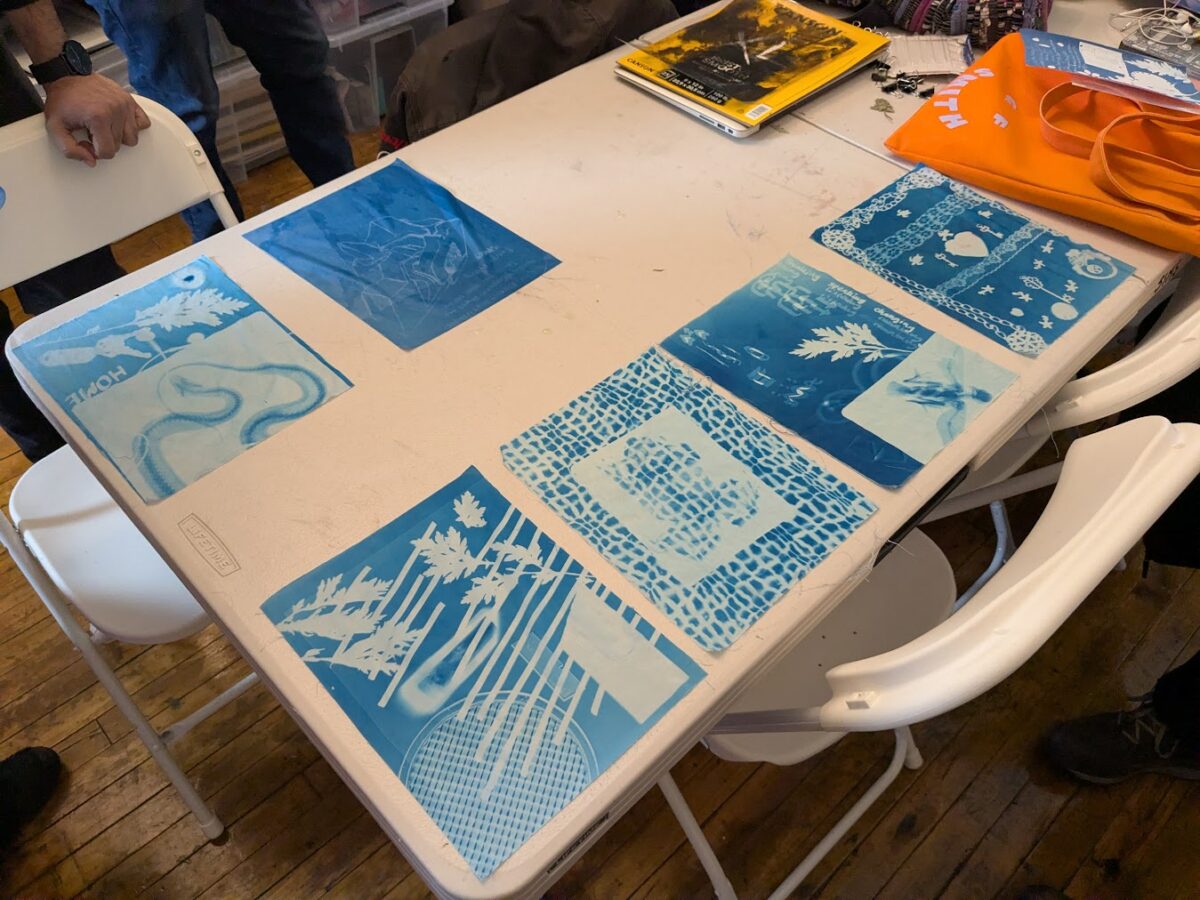
How would you describe your favorite tree to someone who had never seen it?
Framed around themes of data feminism and critical data studies, this workshop, led by Alissa Kushner and Star Ajasin, explores the choices behind how traditional datasets and metadata describe the world around us. Participants will poke through NYC Open Data’s most recent Street Tree Census, interrogating what it means to capture the essence of our urban environments into a dataset, questioning the choices, politics, and perspectives behind how data is chosen, organized, and labeled. We will then visit a tree closest to the site of the workshop and collect metadata not typically captured about it through the creation of cyanotype images (also known as sun prints), serving as a counter-method of slow and embodied data capture. Participants will leave the workshop with a more critical understanding of environmental data as well as a handmade cyanotype to take home with them.
This event is hosted at the NYU Tandon School of Engineering at 370 Jay Street in Downtown Brooklyn.
Using data insights to make decisions is what every organization seeks to do, but there are many reasons why this doesn’t happen in practice: data is hard to find, it is siloed and inaccessible, it is undocumented and difficult to understand, it is too large or complex for the skills and tools available. All these problems existed at Metropolitan Transportation Authority
(MTA) and were the motivation for the recent establishment of a central data team, which has the goal of facilitating analytical work for teams all across the company. Standing up such a team is challenging, especially for public sector agencies with many internal and external stakeholders, legacy systems and limited resources. In this talk, Andy Kuziemko, who leads the Data & Analytics team at the MTA, will describe the progress to date at the agency, lessons learned along the way, and the remaining challenges the agency faces.
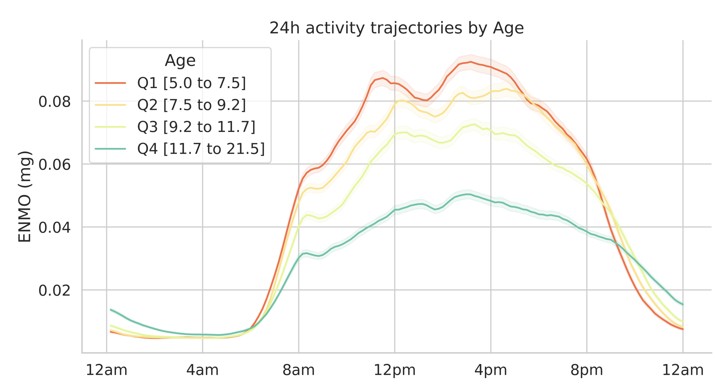
The Healthy Brain Network (HBN) is a large community initiative and open data project run by the Child Mind Institute (CMI). Its goal is to better understand mental health and learning in children and adolescents in New York City. Families can take part in the clinical and research study if they have concerns about their child’s mental health or learning to receive a free, comprehensive clinical evaluation. Over the past decade, the Healthy Brain Network has collected and openly shared anonymized data from more than 4,000 children and adolescents. This information includes behavioral, clinical, and brain-based data, and is made freely available to researchers, educators, and the public to support new discoveries in mental health and psychiatric research.
In this hands-on session, the CMI data team will introduce the openly accessible Healthy Brain Network (HBN) datasets with a focus on wristwatch actigraphy data, which consists of continuous measurements collected from a wearable device worn on the wrist, similar to a fitness tracker. These data provide insights into daily activity patterns and sleep over time.
Attendees will learn how to download, explore, visualize, and analyze actigraphy signals using wristpy, an open-source Python package developed by CMI. Through guided activities, attendees will discover how these data can be used to uncover patterns over time and generate insights into behavior and mental health. This virtual class/training aims to spark curiosity and empower individuals to explore and engage with HBN data.
Join Census Bureau data dissemination specialists Joli Golden and Monica Dukes to learn about the datasets that the Census uses to measure poverty, how the Census defines poverty measures, and the numerous data tools you can access to explore poverty by geographic area and demographic group. You will see how to access the most recent poverty briefs and reports and poverty data tables. We will also introduce SAIPE, a tool for Small Area Income and Poverty Estimates.
Join Census Bureau data dissemination specialists Joli Golden and David Kraiker to learn how to use data.census.gov to access the most current and relevant demographic, socioeconomic, and housing statistics about your community. During this presentation, you will learn about the Decennial Census, the American Community Survey (ACS) and other Census Bureau programs, geographies, and datasets. Plus, you will see live demonstrations of the search and navigation features in data.census.gov as well as how to download tables, create charts and generate thematic maps. This training is recommended for all data users.

NYC School of Data is BetaNYC’s community conference that demystifies the policies and practices around open data, technology, and service design. This year’s conference helps conclude NYC Open Data Week and features 40+ sessions organized by NYC’s civic technology, data, and design community! Our conversations and workshops will feed your mind and inspire you to improve your neighborhood.
To attend, you need to purchase tickets. The venue is accessible, and the content is all-ages friendly! If you have accessibility questions or needs, please email the BetaNYC team at [email protected].
Thank you to Reinvent Albany for their support as Lead Partner and helping cover conference costs to make it possible to meet in 2026. Additional sponsors include HaydenAI, School of Visual Arts, and The Center for Urban Science + Progress (CUSP) at NYU Tandon.
If you can’t join us in person, tune into the main stage live stream provided by the Internet Society New York Chapter. Follow the conversation #NYCSoData on Bluesky.
Purchase your tickets here.